What Is LARP?
LARP — Live Action Role-Playing — is a form of collaborative storytelling in which participants physically portray their characters in a shared environment, typically using foam-padded weapons for combat resolution, improvised acting for social interactions, and costuming appropriate to the game world. It combines elements of tabletop RPG, improvisational theatre, and physical sport. LARP events range from a dozen people in a local park to multi-day events with thousands of participants in purpose-built game environments.
Major LARP Traditions
Fantasy LARP (the most common type) draws from high and dark fantasy traditions — medieval European settings, magic systems, and combat. Nordic LARP emphasises narrative and emotional realism over game mechanics, often treating LARP as a form of immersive theatre. Post-apocalyptic LARP (inspired by Fallout, Mad Max, various zombie scenarios) has a significant global community. Vampire: The Masquerade LARP uses Mind's Eye Theatre rules for social, political gameplay with minimal physical combat. Each tradition has its own culture, costume requirements, and event structure.
LARP Costuming Requirements
LARP costume requirements differ from convention cosplay in important ways: durability over appearance (costumes must survive physical activity, weather, and repeated multi-day events), safety (foam weapons must pass safety checks, armour must not create hazardous edges), and movement (full freedom of movement for combat). Materials that look good but restrict movement or create combat hazards are unsuitable. LARP costuming develops specific expertise in durable, functional costume construction.
The Social World of LARP
LARP communities are among the most socially inclusive and creatively engaged in the nerd hobby space. The collaborative creation of game worlds, shared narrative investment, and intense weekend-or-longer shared experiences create strong social bonds. Many LARP participants form friendships and relationships through the hobby that persist long after the game. The physical, embodied nature of LARP creates a different social dynamic than online or tabletop communities.
★ Featured Creator
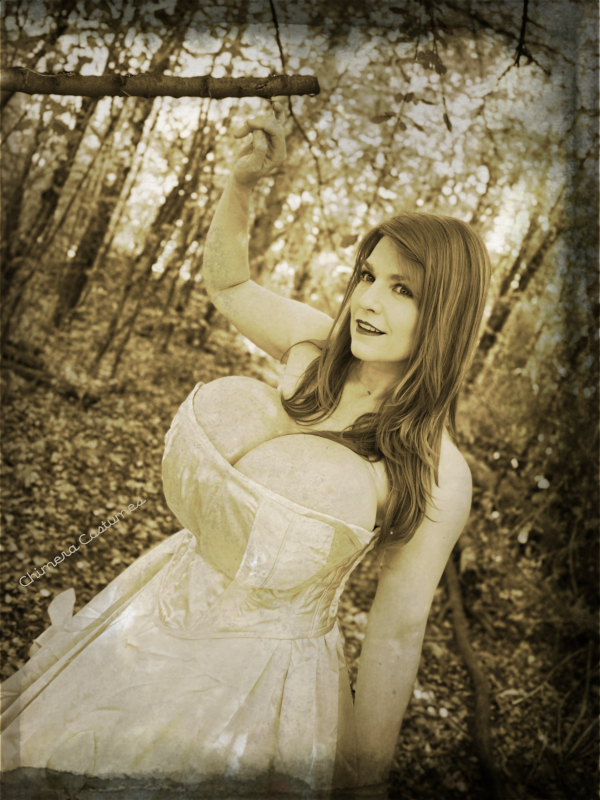
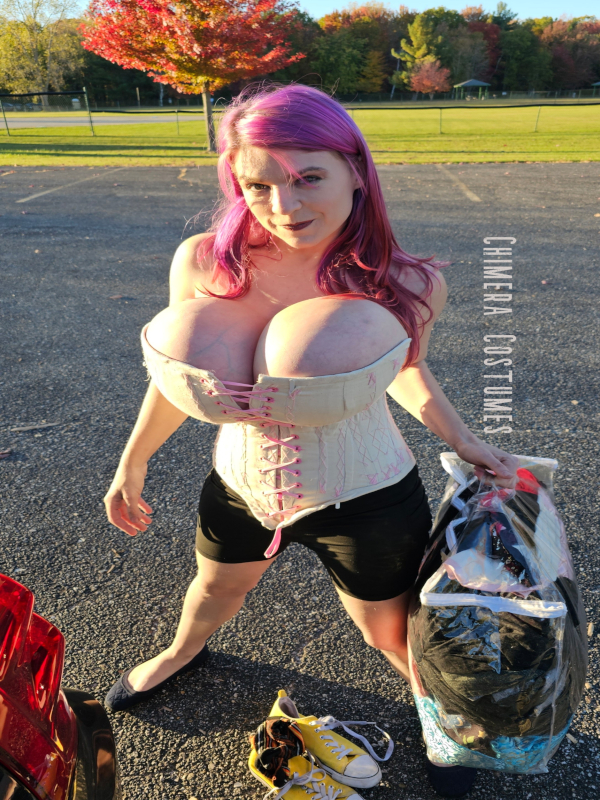
Heidi Lange is a Florida-based master seamstress and cosplay creator specialising in dark fantasy — shadow elves, vampire queens, gothic sorceresses — all built from scratch. Her costumes are extraordinary. Her OnlyFans is 18+.